Film Faced Plywood vs. Red Formwork Plywood: How Contractors Choose the Right Shuttering Board
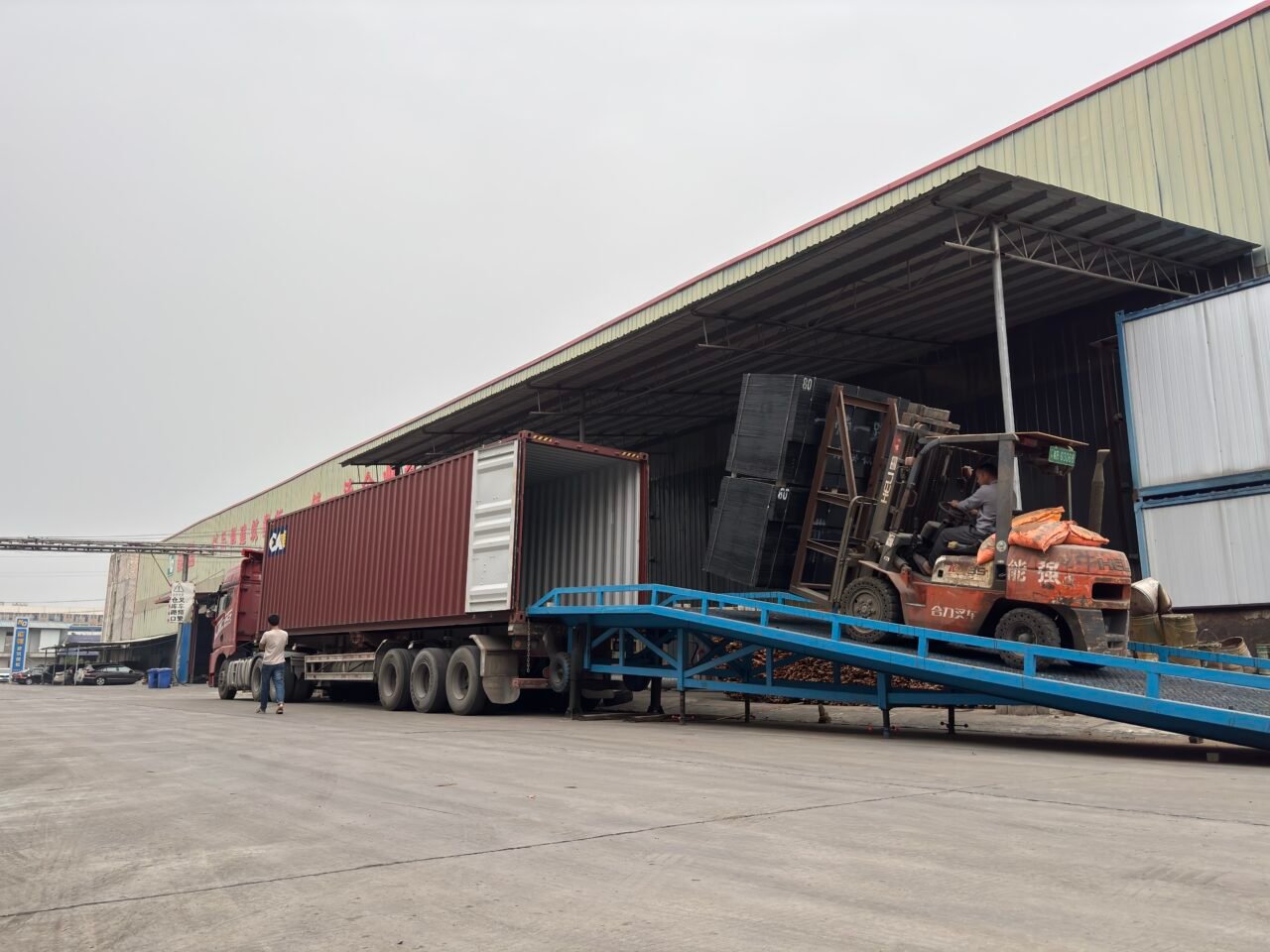
Selecting between black film faced plywood and red phenolic formwork boards is one of the most critical decisions in civil engineering procurement. While both panel types provide structural support for poured concrete, their surface treatments, demolding finishes, and expected life cycles serve distinct construction needs.
Understanding the differences between these two plywood types prevents overspending on secondary residential frames while eliminating surface defects on architectural fair-face concrete.
Surface Characteristics and Concrete Texture
The primary difference between film faced plywood and red formwork boards lies in the surface barrier and how it interacts with wet concrete:
-
Black Film Faced Plywood: Hot-pressed with high-density phenolic resin-impregnated paper (120g/m2), this panel creates a sealed, non-porous polymer barrier. Cured concrete demolds with a smooth, glass-like finish known as fair-face concrete. Because the surface is free of cement dust and wood grain marks, it eliminates the need for plastering, saving labor and material costs.
-
Red Phenolic Formwork Board: Coated on both sides with acrylic-modified phenolic waterproof paint, red panels protect the inner timber veneers from rain and wet cement paste. Demolded concrete retains a subtle wood texture, providing excellent mechanical bonding for secondary cement mortar rendering and tile installations.
Core Construction and Structural Durability
Beneath the surface, both panels manufactured by NQ Formwork Plywood Co., Ltd. utilize 100% Grade-A pine and eucalyptus combi cores bonded with 100% WBP phenolic adhesive.
-
Film Faced Plywood (High-Rise & Columns): The polymer film protects the timber plies against abrasive cement paste and alkaline leaching. This durable surface barrier allows heavy structural panels (such as 18mm boards) to achieve 15 to 20 reuse cycles under high lateral concrete pressures.
-
Red Formwork Boards (Floor Slabs & Beams): Designed for horizontal applications where structural panels face less abrasive pumping friction, standard red panels deliver dependable performance across 6 to 15 pours, depending on whether 12mm or heavier thicknesses are deployed.
Strategic Board Allocation on the Jobsite
To optimize procurement costs, experienced project managers deploy a hybrid panel strategy across structural zones:
-
Vertical Shear Walls & Elevator Cores: Use black film faced plywood. The high-gloss phenolic face resists lateral slurry friction, ensuring smooth surfaces across repeated pours.
-
Horizontal Floor Decks & Foundation Slabs: Use red phenolic formwork boards. These panels provide necessary load-bearing stiffness at a lower procurement cost, ideal for flat slabs that will receive ceiling finishes or flooring later.
To compare physical sample textures, inspect surface coatings, and review production standards, watch our factory testing video stream, study our corporate manufacturing overview, or contact our export engineering specialists.
-
Official Website: https://nqformwork.com/
-
Direct WhatsApp: +86 19977575391