
How to Identify Quality Formwork Plywood: A Buyer’s Guide to Spotting Inferior Shuttering Boards
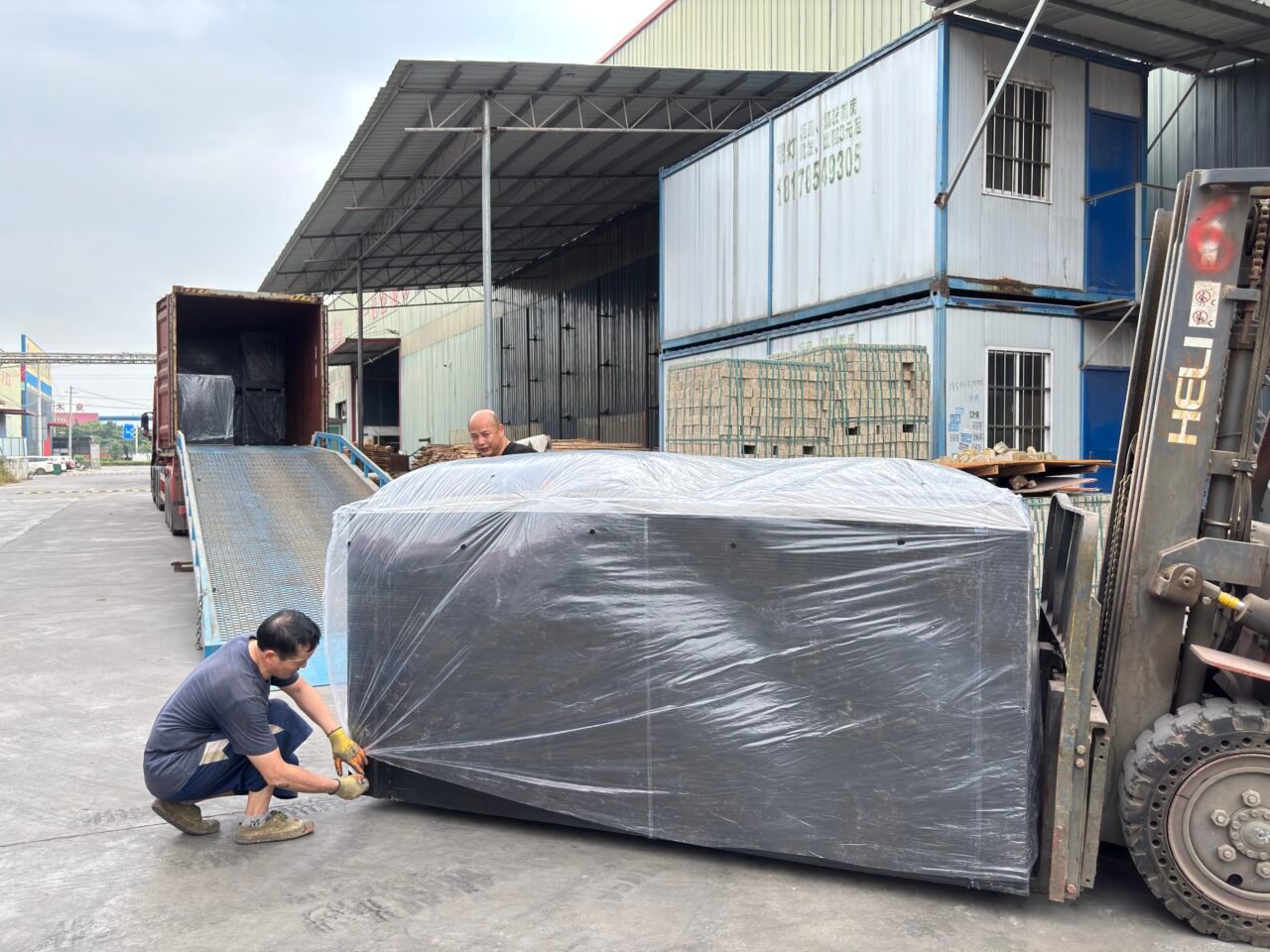
For international civil engineering contractors, receiving substandard formwork plywood on jobsites leads to serious structural failures: wall bulging, joint blowout, surface spalling, and panel delamination during concrete pouring. Because low-grade panels can look similar on the surface, buyers must understand practical inspection methods to verify panel quality.
Understanding these essential quality benchmarks protects your budget and helps you distinguish long-lasting architectural panels from low-grade alternatives.
1. Differentiating Fresh Hardwood Cores from Recycled Scrap Boards
The internal timber structure determines a panel’s load-bearing capacity and screw withdrawal resistance.
-
Grade-A Eucalyptus & Pine Core (High Structural Strength): High-quality panels utilize fresh, whole rotary-cut eucalyptus veneers paired with tough pine faces. The dense cellular grain provides high static bending strength, resisting the hydrostatic head pressure of fresh concrete without internal cracking.
-
Finger-Joint Recycled Core (High Failure Hazard): Low-cost suppliers often sell finger-joint panels made from fragmented timber off-cuts glued together with cheap urea adhesives. These boards contain hidden internal hollows and discontinuous grain fibers. Under concrete pressure or vibration, they often crush, cave in, or snap after only 1 to 2 pours.
2. Identifying True 100% WBP Phenolic Waterproof Glue
The adhesive line between plies determines whether formwork will withstand wet concrete hydration and heavy rains.
-
The 72-Hour Continuous Boil Test: Authentic Water Boiled Proof (WBP) phenolic adhesive undergoes an irreversible cross-linking reaction during hot pressing. When a sample board is boiled in continuous 100 degrees Celsius water for 72 hours, it remains solid with zero blister swelling or ply separation.
-
The Limitation of Urea and Low-Melamine Glues: Low-grade urea-formaldehyde glue melts in hot water within 1 to 2 hours. While melamine offers moderate water resistance, continuous exposure to hot, alkaline slurry eventually breaks its molecular bonds, causing the board to swell and soften on the jobsite.
3. Practical On-Site Verification Steps
Before signing off on full container shipments, site supervisors can verify panel quality using four simple steps:
-
Cross-Section Saw Inspection: Cut off a 100mm section from the board corner. A quality panel shows solid, tightly bonded veneers with dark resin glue lines, showing zero hollow pockets or overlapping voids.
-
Caliper Thickness Measurement: Use a digital vernier caliper to check thickness consistency across all four edges and corners. High-precision boards maintain tight tolerances within +/- 0.5mm, preventing step-joints and slurry leakage during site assembly.
-
Surface Film Scratch & Peel Test: High-density 150g/㎡ phenolic paper forms a smooth, hard surface that resists fingernail scratches and prevents peeling from the core veneers.
-
Chisel Fracture Check: Drive a wood chisel between the wood plies of a boiled test piece. In a certified hardwood board, the wood fibers tear internally before the glue line separates, proving the adhesive bond is stronger than the wood itself.
For projects requiring high-cycle fair-face finishes, contractors specify 18mm heavy-duty film-faced plywood manufactured by NQ Formwork Plywood Co., Ltd. to achieve 15 to 20 reliable cycles. Standard floor framing relies on 12mm red formwork boards for 6 to 8 dependable cycles.
To view live laboratory boiling shear tests and computerized sanding operations, watch our factory production video stream, study our corporate manufacturing overview, or contact our technical export specialists.
-
Official Website: https://nqformwork.com/
-
Direct WhatsApp: +86 19977575391